

Coming home from hospital can bring a sense of relief, but the first week can also feel overwhelming. Pain, fatigue, limited mobility and a reduced appetite can make everyday activities, including preparing food, much harder than expected.
For carers, the pressure can be just as significant. Along with managing medications, appointments and household tasks, there is the added responsibility of making sure their loved one is eating properly.
During these first seven days, good nutrition matters. Having suitable food after surgery readily available can reduce stress, support the body’s recovery and help the person regain their strength without spending hours shopping, cooking and cleaning.
What Should You Eat After Surgery?
The right diet will depend on the type of procedure, the person’s health and any instructions provided by their doctor, surgeon or dietitian. Always follow the discharge plan first, particularly when there are fluid restrictions, swallowing difficulties, allergies or other medical requirements.
In general, the best food after surgery should contain a combination of protein, vegetables, carbohydrates and healthy fats.
Protein Rich foods
Protein supports the maintenance and repair of body tissue. Helpful options may include:
- Chicken, fish and lean meat
- Eggs
- Yoghurt and cheese
- Beans, lentils and legumes
- Tofu and other plant-based proteins
A serve of protein with each main meal can make it easier to maintain a consistent intake throughout the day.
Fruit and vegetables
Fruit and vegetables contain vitamins, minerals and fibre. Include a variety of colours where possible, choosing softer or cooked options if chewing, digestion or appetite is a concern.
Nourishing carbohydrates
Potatoes, rice, pasta, oats and wholegrain bread provide energy. After an operation or hospital stay, that energy can be important because the body is already working hard to recover.
Fluids
Unless a healthcare professional has recommended a fluid restriction, regular hydration is also important. Water, milk, soup and other suitable fluids can help prevent dehydration.
The best foods that support recovery are not necessarily complicated. Familiar, nourishing meals that are easy to eat and enjoyable are often more practical than expecting someone to completely change their diet while they are tired or uncomfortable.
A Simple Plan for the First Seven Days
There is no need to create an elaborate meal schedule. The priority is having reliable food available and reducing unnecessary physical effort.
Days one and two: Keep meals easy
The first couple of days at home are often the most tiring. Appetite may be low, and the person may not feel ready for a large meal.
Offer smaller portions of gentle, familiar foods straight after surgery and follow any specific medical instructions. Rather than pressuring someone to finish a full plate, focus on regular opportunities to eat and drink.
Days three and four: Reintroduce routine
As energy begins to improve, try to return to a simple meal routine. This may mean breakfast, lunch and dinner with a snack between meals when needed.
Having prepared meals after hospital discharge in the freezer removes the need to decide what to cook at every mealtime.
Days five to seven: Maintain consistency
By the end of the first week, the person may be feeling more independent, but recovery is rarely complete. Continuing with convenient, nutritionally balanced meals can help prevent them from doing too much too soon.
A freezer stocked with ready-made meals also gives carers greater flexibility. They can spend more time providing practical support and companionship instead of preparing every meal from scratch.
What Support Services Are Available After Hospital Discharge?
Before leaving the hospital, ask the discharge team what assistance may be available. Depending on the person’s circumstances, support could include:
- A general practitioner or specialist follow-up
- Community nursing
- Physiotherapy or occupational therapy
- Dietitian support
- Medication assistance
- Domestic help and personal care
- Home-delivered meals
Eligible people may also receive assistance through the NDIS or an Australian Government aged care program.
Gourmet Meals is a registered provider offering NDIS meal support. For older Australians, Gourmet Meals is also a preferred supplier of prepared and delivered meals for many Support at Home providers. People who have been assessed and approved for funding may be eligible to have part of their meal preparation and delivery costs subsidised. Eligibility and contribution requirements depend on the individual’s approved support arrangements.
Carers can speak with the person’s care coordinator, plan manager or Support at Home provider to determine what is included in their funding. More information is available on the Gourmet Meals Aged Care meals page.
Why Frozen Prepared Meals Make Recovery Easier
Cooking can become a genuine safety and energy concern after surgery. Standing for long periods, lifting pans, bending into cupboards and carrying groceries may be uncomfortable or restricted.
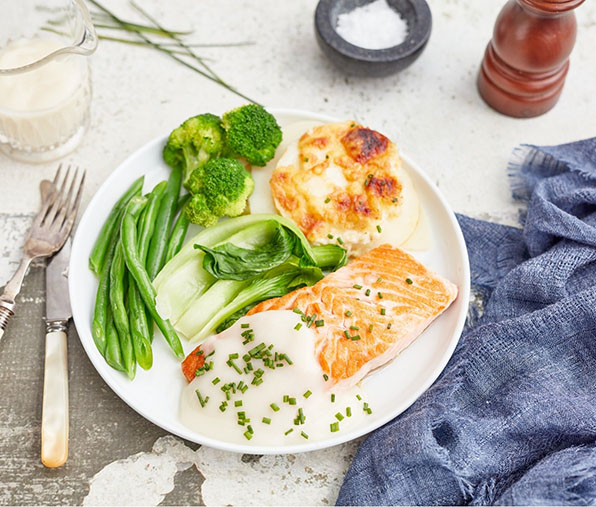
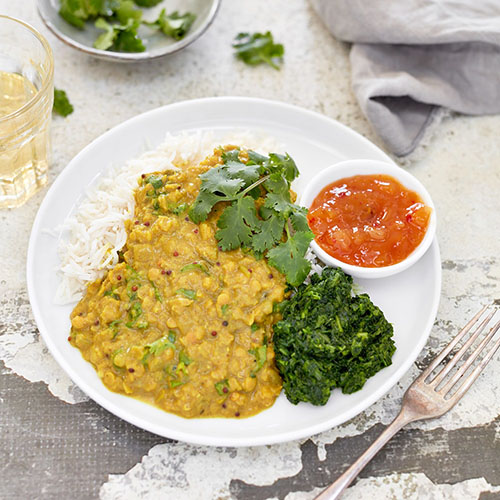
Gourmet Meals provides affordable, portion-controlled, homestyle meals that are prepared by experienced chefs and snap-frozen. Snap-freezing helps preserve freshness, flavour and nutritional value while allowing meals to be stored until they are needed.
This makes frozen prepared meals a convenient source of food after surgery, especially for people who are unable to shop or cook comfortably during their first week at home.
The process is simple: choose meals, keep them in the freezer, heat them according to the instructions and enjoy. There is less shopping, preparation, washing up and food waste.
Gourmet Meals offers a wide variety of meal choices, including regular and large meals, soups, desserts, vegetarian and vegan choices, and options suited to several dietary preferences. Meals are prepared using fresh ingredients and designed to provide balanced, portion-controlled nutrition with the comfort of familiar home-style cooking.
Friendly drivers provide weekly delivery across eligible areas of the Gold Coast, Brisbane and Northern NSW. Customers can use the online delivery day checker to confirm whether delivery is available in their suburb.
Make the First Week at Home More Manageable
Recovery requires energy, patience and time. Having nutritious food ready in the freezer can remove one major daily task for patients and carers while helping to maintain a regular meal routine.
Explore the Gourmet Meals menu and organise convenient, homestyle meals for the first week at home, and the weeks that follow.
Frequently Asked Questions
What is the best food after surgery?
The best food after surgery depends on the procedure and the advice provided by the healthcare team. Generally, meals containing protein, vegetables and a nourishing source of carbohydrates can help provide the energy and nutrients needed during recovery.
Are frozen meals suitable after hospital discharge?
Quality frozen meals can be a practical option because they are quick to prepare, portion controlled and easy to keep on hand. Check that the chosen meals meet any medical or dietary instructions given at discharge.
Can Gourmet Meals accommodate dietary preferences?
Gourmet Meals offers a broad menu that includes gluten-free, dairy-free, lower-fat, salt-reduced, high-protein, vegetarian and vegan choices. Always check the individual meal information before ordering.
Can meal delivery be government subsidised?
Eligible NDIS participants or people with approved Support at Home funding may be able to access subsidised meal preparation and delivery. Funding and personal contribution arrangements vary, so speak with your plan manager, care coordinator or provider before ordering.
Tags: Recovery Nutrition, Hospital Recovery, Food After Surgery, Healthy Meals For Seniors, Aged Care Meals, NDIS Meals, Senior Nutrition, High Protein Meals, Balanced Meals, Healthy Snap Frozen Meals, Senior Meal Solutions, Home Delivered Food, Recovery After Surgery, Portion Controlled Meals